


Small businesses now leverage AI-powered business intelligence to make data-driven decisions. Gone are the days when advanced analytics was the exclusive domain of enterprise corporations with deep pockets! Today’s small businesses have access to powerful, affordable AI business intelligence tools that level the playing field. Whether you’re drowning in spreadsheets or struggling to extract meaningful insights from your business data, the right BI tool can transform how you operate. Let’s explore the best AI-powered business intelligence solutions designed specifically for small business needs and budgets in 2025!
What Are AI Business Intelligence Tools?
Small business owners who have implemented modern analytics tools report dramatic improvements compared to traditional reporting systems of the past. Industry specialists emphasize that today’s tools can automatically process data from multiple sources, eliminating the manual work that previously consumed hours of valuable time. Furthermore, business advisors specifically highlight that these systems have democratized advanced analytics, allowing small companies to make data-driven decisions without hiring specialized analysts.
To continue further, case studies reveal significant real-world benefits, such as one retail business reducing inventory carrying costs by 23% and a service company cutting travel time between clients by 30%. Business consultants also note that the most valuable features include natural language interfaces that allow non-technical users to ask questions directly and predictive capabilities that identify seasonal patterns. Multiple implementation stories highlight that these tools provide competitive advantages previously available only to large corporations with substantial resources.
And finally, experts recommend that small businesses prioritize systems with automated data integration, user-friendly interfaces, and predictive analytics capabilities. Business mentors who have guided companies through implementation suggest that the investment pays for itself through improved efficiency and better decision-making. These tools represent a fundamental shift in how small businesses operate, providing practical solutions rather than just impressive but impractical technology.
Top AI Business Intelligence Tools for Small Businesses in 2025
Based on my extensive online research and personal experience, I’ve found that smaller businesses tend to benefit most from AI tools that prioritize ease of use, affordability, and practical application over cutting-edge capabilities. While enterprise-level AI solutions may offer more sophisticated capabilities, small businesses achieve the best results by selecting focused AI tools that address specific pain points in their operation. So here are my recommended tools based on emerging current trends.
1. Postwise
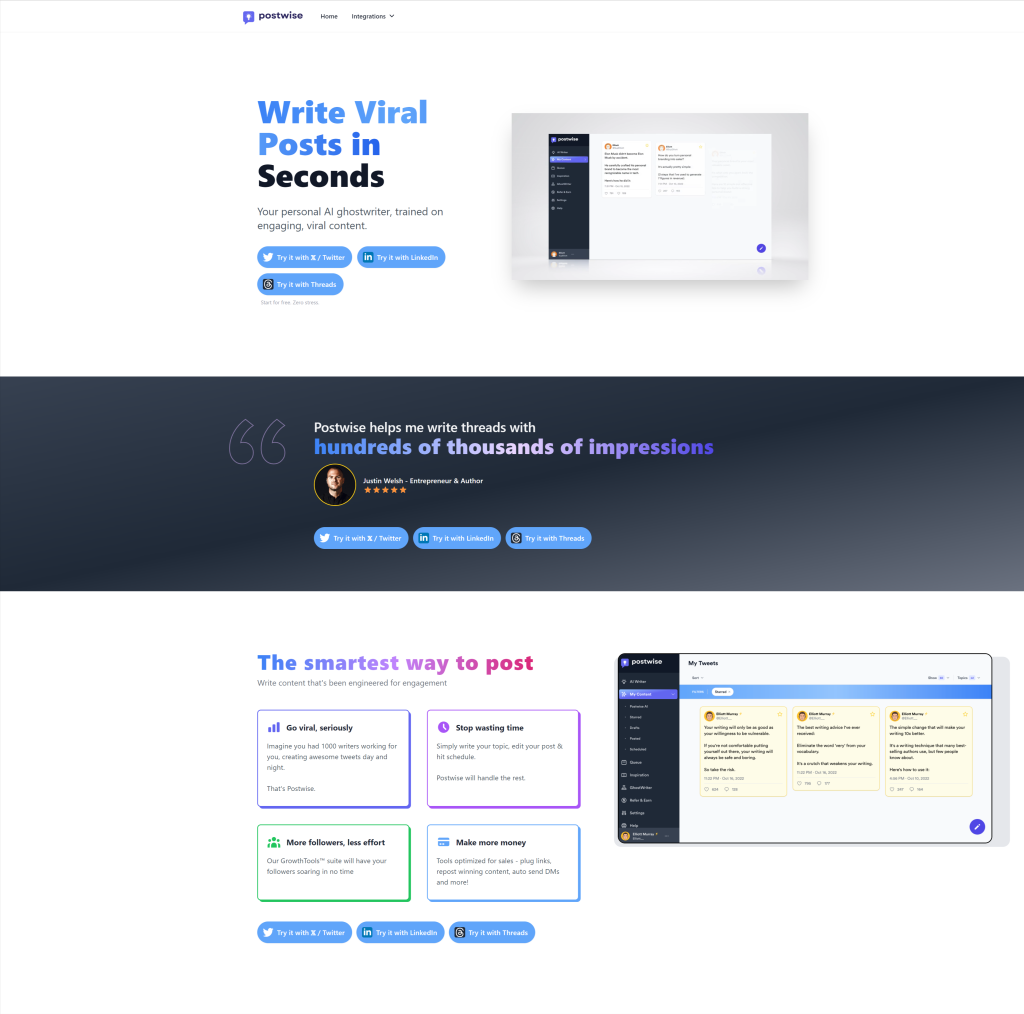
Postwise is an AI-powered social media management tool that helps users create, schedule, and optimize content across various platforms. It leverages artificial intelligence to suggest engaging posts, identify optimal posting times, and analyze performance metrics to improve content strategy.
2. Boomi
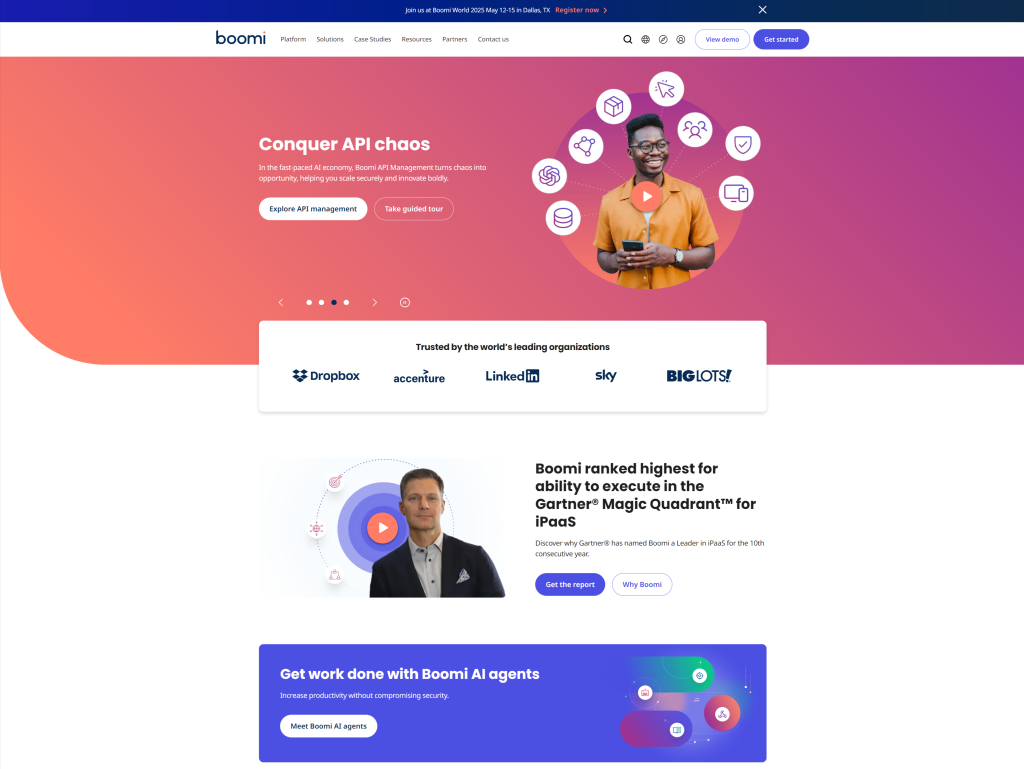
Boomi AI is an integration platform tool that leverages artificial intelligence to automate and streamline complex data integration processes across multiple applications and systems. It helps organizations connect various software applications, synchronize data, and automate workflows with minimal manual configuration through intelligent mapping and pattern recognition capabilities.
3. Frase
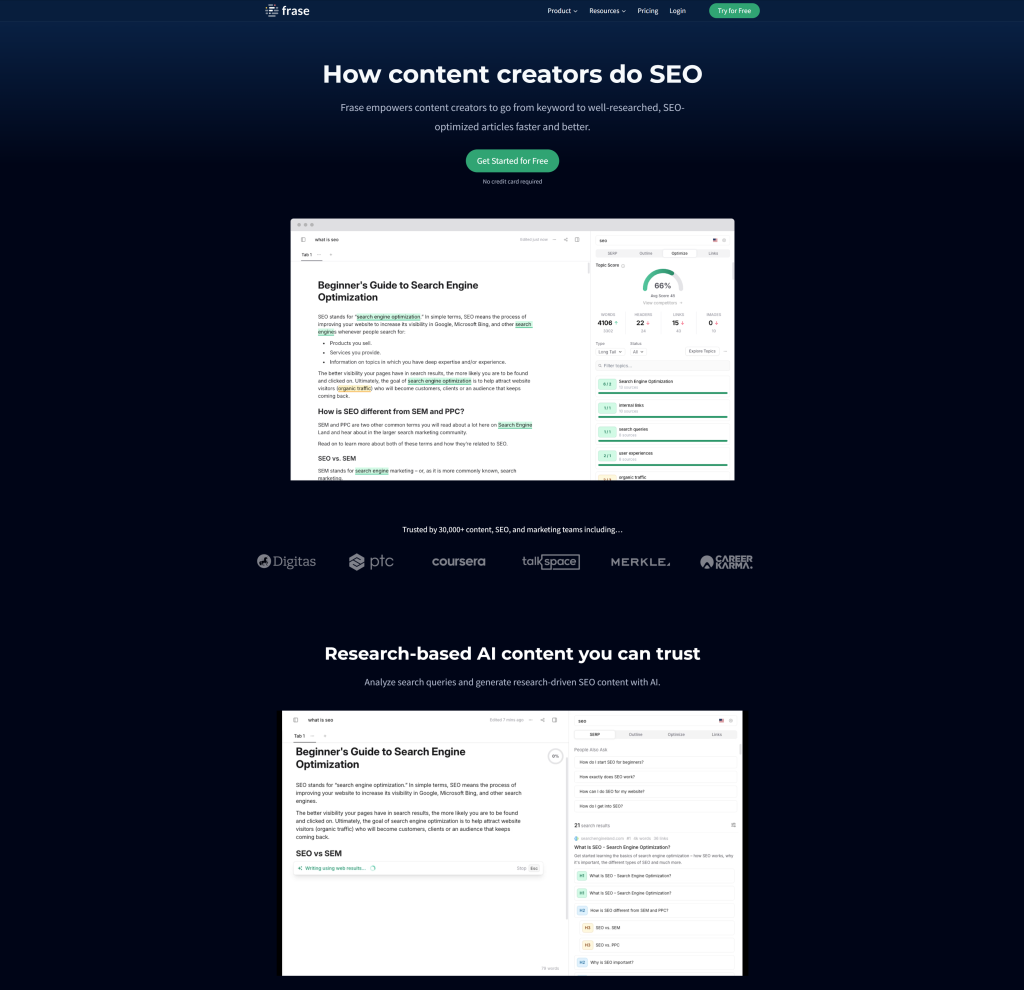
Frase is an AI-powered content optimization tool that helps marketers and writers research, create, and optimize SEO-friendly content more efficiently. It analyzes top-ranking content for target keywords, suggests topics to cover, generates drafts and provides recommendations to improve content quality and search engine rankings.
4. Lately
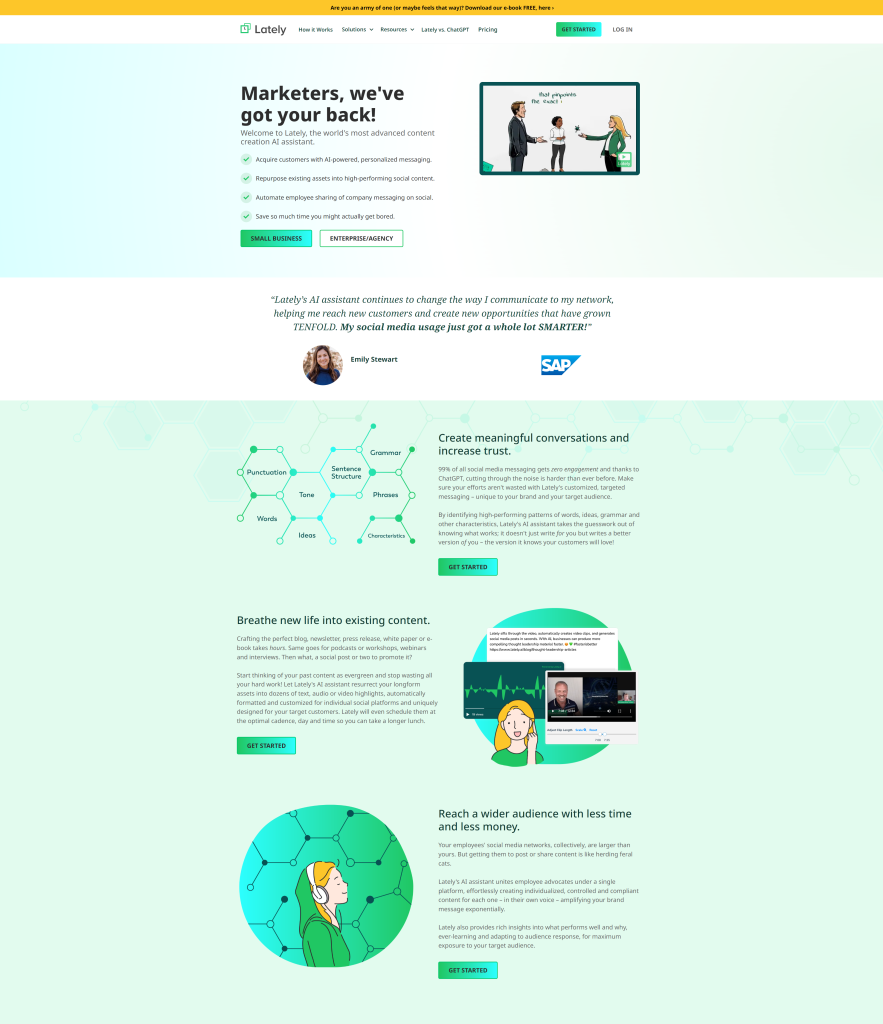
Lately AI tool is a content creation platform that uses artificial intelligence to analyze your best-performing content and automatically generate social media posts optimized for audience engagement. It helps marketers and content creators save time by transforming long-form content into multiple shorter posts tailored to perform well across different social media platforms.
5. Ocoya
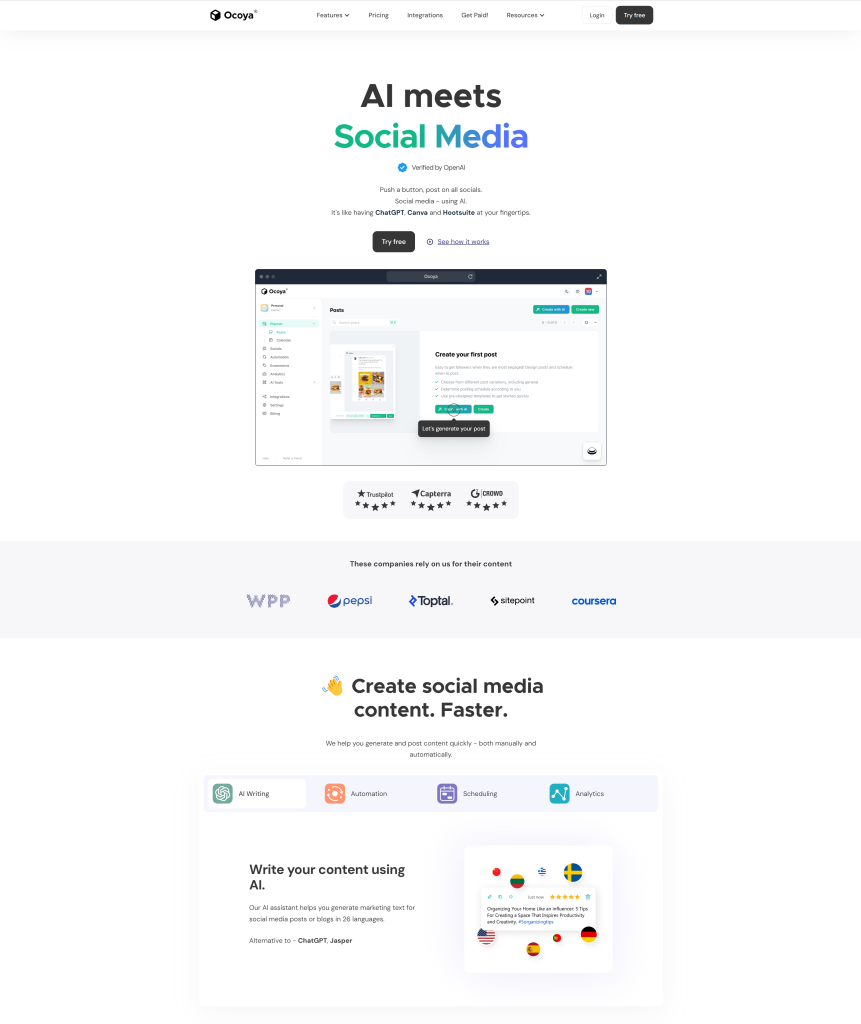
Ocoya is an AI-powered social media management platform that streamlines content creation, scheduling, and analytics across multiple platforms in one unified dashboard. It leverages artificial intelligence to help users generate engaging content, optimize posting schedules, and analyze performance metrics to improve social media marketing efficiency.
6. Napkin
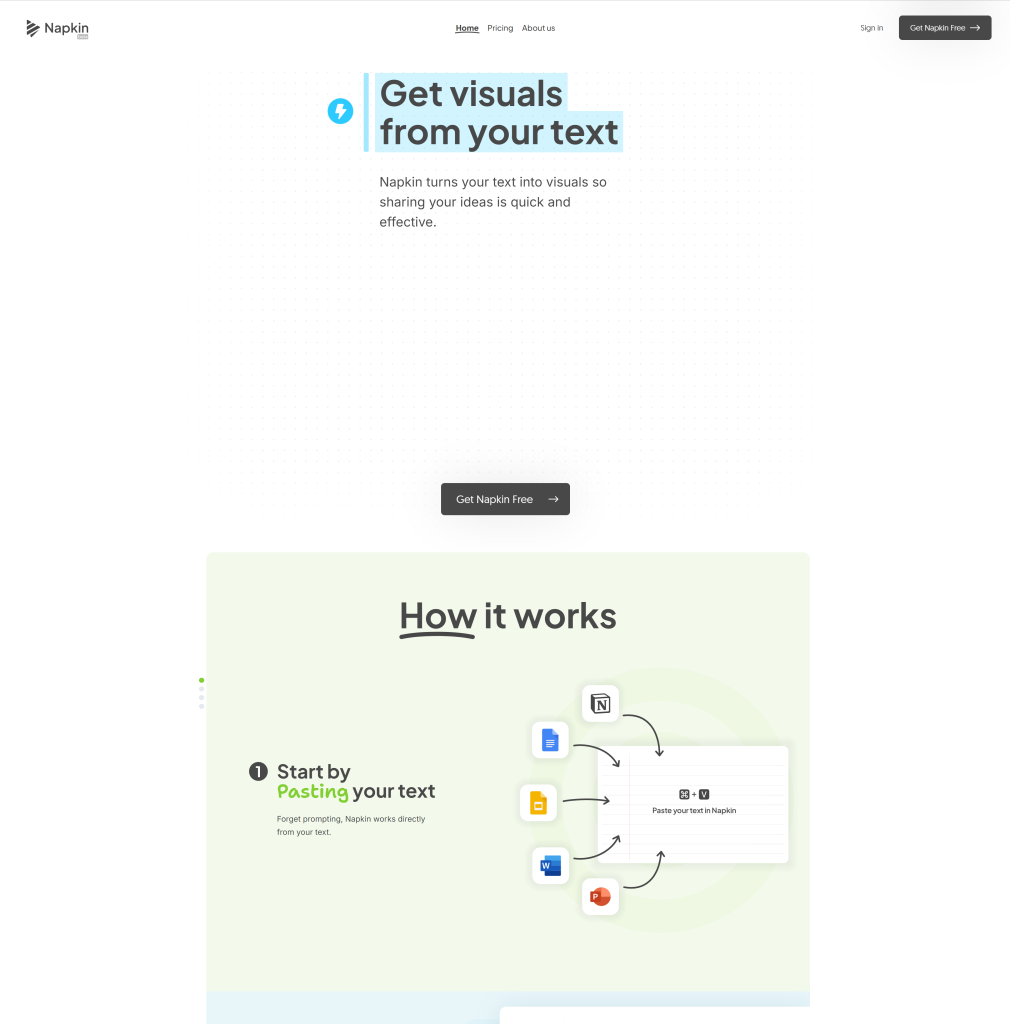
Napkin AI is a generative design tool that transforms rough sketches into polished UI designs by understanding user intent and applying design principles automatically. It helps designers quickly iterate on ideas by converting hand-drawn concepts into professional interface components with consistent styling and layout.
7. Bika
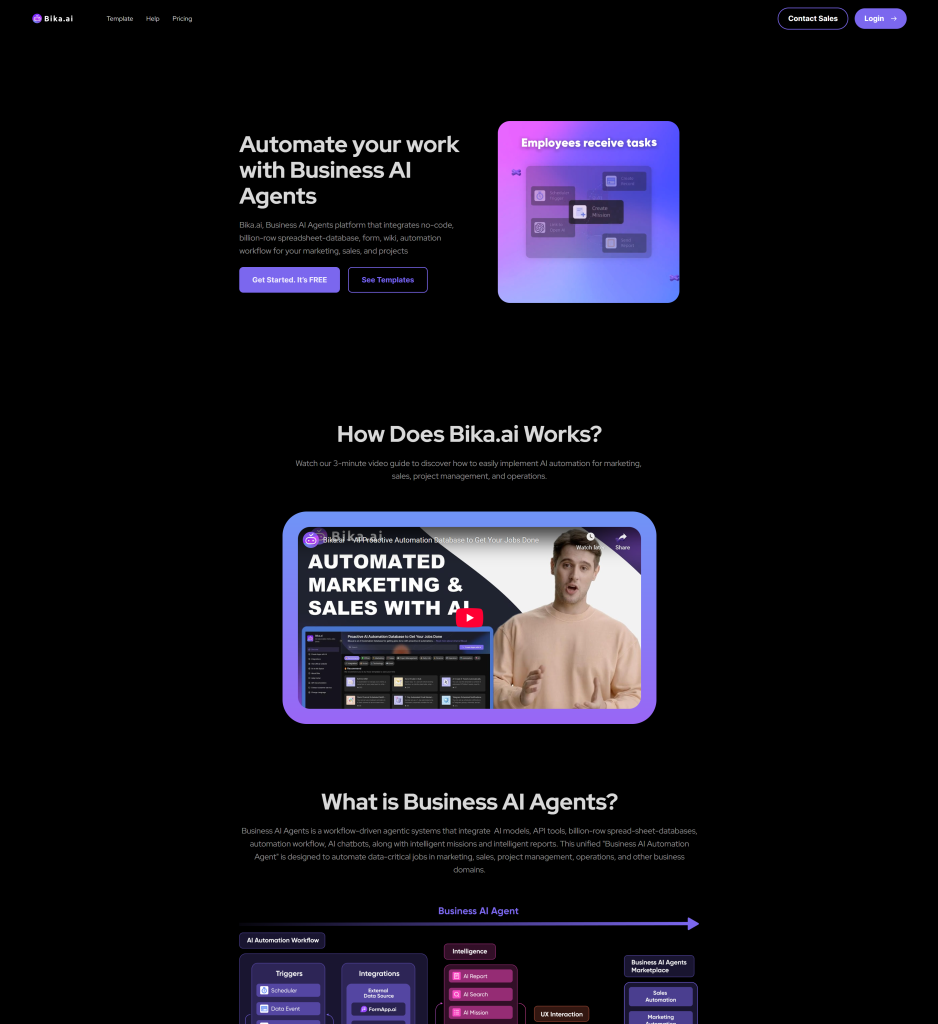
Bika AI is a powerful content-generation platform that creates customized, high-converting copy for marketing campaigns, websites, and social media posts based on your brand voice and target audience. It streamlines the creative process by using artificial intelligence to analyze successful content patterns and generate optimized text that resonates with specific market segments.
Essential Features to Look for in AI BI Tools
Time efficiency dramatically increases when automated data tools handle preparation and cleansing tasks that previously consumed up to 15 hours monthly. Real-time dashboards replace outdated static reports, enabling teams to spot trends immediately and adjust strategies accordingly. Natural language queries empower all employees, regardless of technical ability, to access insights without waiting for specialized reports.
There is also the implementation that decision quality improves through features like predictive analytics that forecast potential issues weeks in advance, preventing significant revenue losses. Mobile accessibility ensures critical data remains available anywhere, giving field teams immediate access to customer information during meetings. Integration capabilities with existing software also eliminate manual data exports from multiple platforms, justifying the investment within months.
Communication with stakeholders becomes more effective through customizable reporting that delivers relevant information to each department. Anomaly detection also identifies unexpected opportunities that might otherwise remain hidden for weeks, as demonstrated by the discovery of an influential product mention. There is also the case that successful implementation requires selecting tools that can scale with growing business needs rather than just solving current challenges.
Key Points:
- Boost efficiency with automation, real-time dashboards, and natural language queries.
- Enhance decision-making through predictive analytics, mobile access, and seamless integrations.
- Improve communication with customized reports, anomaly detection, and scalable tools.
Industry-Specific AI Business Intelligence Solutions
Generic tools often fail to address unique industry challenges, while specialized solutions deliver significantly higher returns on investment in shorter timeframes. An example could be that a retail client using industry-specific tools improved inventory turnover by 34% in just three months through precise demand forecasting that even predicted fashion trends. From there customer behavior analysis uncovered purchasing patterns that human analysts would have missed, enabling businesses to create targeted offerings that substantially increased average order values.
The service and manufacturing businesses experience different benefits, with one landscaping company serving 22% more clients through optimized scheduling based on job data, travel times, and weather patterns. The manufacturing operations reduced material waste by 19% after identifying correlations between machine settings, temperature, and defect rates, while also cutting unexpected downtime by 40% through predictive maintenance. During these supply chain disruptions, specialized tools automatically identified alternative suppliers, preventing costly production shutdowns.
To finalize, professional service firms and healthcare practices gain unique advantages from specialized solutions that address their specific operational requirements. A law firm discovered $8,000 in monthly unbilled time through better analysis of billable hours, while consulting firms improved client retention by 23% through early identification of relationship issues. Healthcare practices also reduced no-shows by 37% and decreased patient wait times by 24 minutes by optimizing appointment scheduling, ultimately improving both patient care and profitability.
How to Implement AI Business Intelligence on a Small Business Budget
First, you should start by clearly defining the specific business questions you need to be answered, as this prevents wasting resources on insights that won’t impact decisions. Conduct a thorough data audit to identify and clean up inconsistencies before investing in tools, saving potentially thousands in consulting fees later. Then, select tools with free trials and monthly billing options, prioritizing those designed specifically for small businesses and testing them with your actual data during the trial period.

Continue to take an incremental approach to data integration by starting with just one source before gradually adding others, allowing you to see value quickly without becoming overwhelmed. Create simple documentation of data definitions and update frequencies while designating a team member to spend a few hours weekly ensuring information stays clean. Replace general training sessions with role-specific micro-trainings focused on answering the exact questions each team member needs, significantly improving adoption rates.
It’s important to avoid common pitfalls like overcomplicating dashboards, instead limiting each screen to five or fewer metrics with drill-down capabilities for details. Budget realistically for both the direct software costs and hidden expenses like occasional expert help and team training time. Make sure to plan for a timeline of 2-3 months before seeing truly useful dashboards, while celebrating small wins along the way to demonstrate concrete value and encourage team adoption.
Key Points:
- Define clear questions to avoid wasted insights.
- Audit data & choose wisely, using trials and small-business-friendly tools.
- Keep it simple, budget for training, and celebrate small wins.
Measuring ROI from Your AI Business Intelligence Investment
The establishment of baseline metrics across operational efficiency, revenue impact, cost reduction, and decision quality before implementing any business intelligence solution should be accounted for to enable proper comparison. Timeline expectations for meaningful returns vary significantly by industry, with retail seeing results in 2-4 months, manufacturing in 4-6 months, and professional services often in just 6-8 weeks. Current trends showcase smaller businesses frequently experience faster percentage returns simply because they can implement changes more quickly once they have actionable insights.
Real-world examples demonstrate dramatic returns, such as a garden center increasing revenue by $87,000 after analyzing sales patterns alongside weather data, representing a significant return on their $7,200 annual investment. To further elaborate, a small law firm discovered they were under-billing by approximately 12 minutes per client interaction, resulting in $13,500 monthly additional revenue without acquiring new clients or raising rates. Most businesses can track tangible benefits in dollars saved or earned, while also assigning proxy values to intangible benefits like faster decision-making and improved team alignment.
To summarize, start with basic analytics in one business area before gradually expanding to others, following a modular approach that builds on previous successes rather than attempting to transform everything simultaneously. Also, include basic data interpretation training in employee onboarding to ensure everyone understands business metrics as your data ecosystem grows more complex. To conclude, regular reviews of your system’s impact often reveal the untapped potential in capabilities you’ve already purchased, effectively increasing your return on investment through better utilization.
Conclusion
Investing in the right AI business intelligence tool is no longer optional for small businesses looking to thrive in today’s competitive landscape. You can unlock insights that drive growth, efficiency, and profitability by choosing a solution that aligns with your specific needs, budget, and technical capabilities. The tools we’ve covered offer accessible entry points for businesses of all sizes, allowing you to start small and scale as your needs evolve. Don’t let valuable data go unused – with these powerful AI business intelligence solutions, your small business can make decisions with the same data-driven confidence as major enterprises!