

Key Takeaways
- Plumbing issues in old houses are common due to aging infrastructure, outdated materials, and decades of wear and tear
- The most frequent problems include corroded pipes, low water pressure, recurring clogs, and outdated fixtures that don’t meet modern standards
- Regular inspections and early detection can prevent costly emergency repairs and water damage
- Modern solutions like pipe relining, fixture upgrades, and whole-house repiping can restore functionality and increase property value
- A professional assessment is essential for developing a comprehensive renovation plan that addresses both immediate needs and long-term reliability
Picture this: You’ve just purchased a charming 1920s Victorian home. During your first week, you notice a small drip under the kitchen sink. Within a month, that drip becomes a full-blown leak that soaks through to the basement below. For many new homeowners of older properties, this scenario is all too familiar and represents just one example of why plumbing issues in old houses are among the most common and frustrating challenges vintage homeowners face.
If you own an older home built before 1970, you’re likely to encounter plumbing problems that are inherent to aging properties. These issues aren’t just inconvenient; they can lead to water damage, health concerns, and expensive emergency repairs if left unaddressed. Whether you’re experiencing mysterious leaks, inconsistent water pressure, or strange noises from your pipes, understanding the root causes and available solutions can save you thousands of dollars and countless headaches.
The reality is that most plumbing issues in old houses stem from the same fundamental problem: aging infrastructure that was never designed to handle modern water usage patterns and hasn’t been updated to meet current standards. From galvanized steel pipes that are slowly corroding to fixtures that waste water and money, older homes present unique challenges that require specialized knowledge and strategic planning to resolve effectively.
Why Plumbing Issues in Old Houses Are So Common
The basic understanding of why older homes have more plumbing problems than newer construction helps new homeowners make better-informed decisions about repairs and additional upgrades. And so, several factors contribute to the increased likelihood of issues are as follows:
Aging Infrastructure and Materials
It is a fact that most homes built before the 1970s have plumbing systems that far exceed their lifespan. And so, the materials commonly used during different eras each present their own unique challenges:
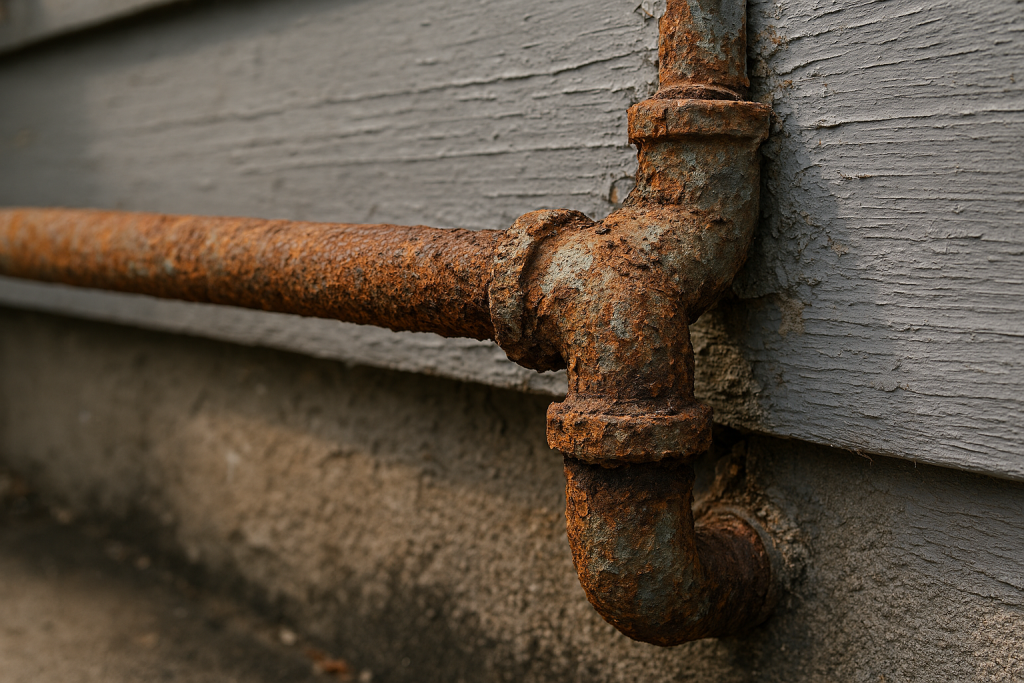
Galvanized Steel Pipes (1920s-1960s): These pipes were the standard for decades but are highly susceptible to corrosion and constant mineral buildup. Over time, the galvanized coating wears away, resulting in rust, reduced water flow, and ultimately, system failure.
Cast Iron Sewer Lines: Popular in early to mid-20th-century construction, cast iron pipes are likely to crack, experience root intrusion, and completely collapse as they age. The interior surfaces become rough and catch debris, leading to continuous, frequent blockages.
Original Copper Pipes: Although more durable than steel, copper pipes from the 1930s-1960s can develop pinhole leaks due to water chemistry, improper installation, or age-related deterioration.
Outdated Design Standards
Older plumbing systems were originally designed for different usage patterns and family sizes. But modern households use far more water than families did 50-100 years ago, putting additional stress on aging systems that weren’t built to handle the ongoing current demands.
Lack of Preventive Maintenance
Many older homes have changed hands multiple times, and thus, there is a gap in the maintenance records that are mostly incomplete or nonexistent. Without regular professional inspections and preventive care, small issues have compounded over time into major problems for current property owners.
Most Common Plumbing Issues in Old Houses
Thus, recognizing the warning signs of these problems can help you address issues before they become emergencies:
Corroded and Deteriorating Pipes
Pipe corrosion is perhaps the most serious and widespread issue in older homes. Signs include:
- Discolored water, especially when first turning on taps
- Metallic taste or unusual odors in drinking water
- Visible rust stains around fixtures and pipe connections
- Frequent leaks in different locations throughout the house
- Reduced water pressure throughout the home
Chronic Low Water Pressure
Multiple factors can cause poor water pressure in older homes:
- Mineral buildup inside pipes reducing internal diameter
- Corroded pipe interiors creating rough surfaces that impede flow
- Undersized pipes that don’t meet modern flow requirements
- Faulty pressure regulators or outdated fixtures
Frequent Drain Clogs and Backups
Older drain systems often struggle with modern usage patterns:
- Cast iron pipes develop rough interiors that catch debris
- Improper pipe slopes installed decades ago cause poor drainage
- Tree root intrusion into aging sewer lines
- Accumulated grease and soap buildup over decades of use
Outdated Fixtures and Components
Original fixtures in older homes often wastewater and money:
- Old toilets use 3.5-7 gallons per flush (modern, efficient models use 1.28 gallons)
- Leaky faucets with worn-out washers and seals
- Inefficient water heaters that struggle to meet modern demand
- Shower heads and faucets that don’t meet current efficiency standards
Warning Signs You Shouldn’t Ignore
Certain symptoms indicate that your old house’s plumbing needs immediate professional attention:
Water Quality Issues
- Brown, yellow, or rust-colored water
- Strong metallic or sulfur odors
- Cloudy or murky appearance
- Unusual taste in drinking water
Pressure and Flow Problems
- Inconsistent water pressure between fixtures
- Sudden drops in pressure when multiple taps are used
- Weak flow from showers and faucets
- Water hammer (banging sounds when turning taps on or off)
Visible Damage and Leaks
- Water stains on walls, ceilings, or floors
- Mold or mildew growth near plumbing fixtures
- Peeling paint or wallpaper around pipes
- Unexplained increases in water bills
- Damp or musty odors in basements or crawl spaces
Modern Solutions for Old House Plumbing Problems
Today’s plumbing technology offers several effective approaches to addressing vintage home plumbing challenges:
Pipe Relining and Rehabilitation
For homes where full replacement isn’t feasible, pipe relining offers a less invasive solution:
- Epoxy pipe lining can restore interior surfaces and extend pipe life
- Trenchless sewer line repair minimizes property disruption
- Spot repairs can address specific problem areas cost-effectively
Selective Repiping Strategies
Strategic pipe replacement focuses on the most critical areas:
- It is important to replace main water lines while keeping secondary lines if they’re in good condition
- Take into consideration upgrading bathroom and kitchen plumbing during renovations
- Make sure to install modern materials like PEX or copper for longevity and reliability
Fixture and System Upgrades
Modern fixtures can vastly improve functionality and efficiency:
- Low-flow toilets and showerheads significantly reduce water usage without sacrificing performance
- The addition of tankless water heaters also provides unlimited hot water and saves space
- Also, the smart leak detection systems in your setup can help prevent water damage
- Pressure-boosting systems can significantly improve the flow throughout the house
Water Treatment Solutions
Address water quality issues that accelerate pipe deterioration:
- Water softeners can help significantly reduce mineral buildup in pipes and fixtures
- Whole-house filtration systems further improve water quality and taste
- pH-balancing systems can also lower pipe corrosion
Planning Your Renovation to Fix Plumbing Issues in Old Houses
Successfully addressing plumbing issues in older homes requires careful planning and realistic budgeting:
Professional Assessment
Start with a comprehensive plumbing inspection that includes:
- Video camera inspection of sewer lines and main drains
- Water pressure testing throughout the house
- Water quality analysis to identify treatment needs
- Assessment of all fixtures, pipes, and connections
Prioritizing Repairs and Upgrades
Focus on the most critical issues first:
- Safety and Health Issues: Address any problems affecting water quality or creating health hazards
- Structural Damage Prevention: Fix leaks and drainage problems that could damage your home’s structure
- Efficiency Improvements: Upgrade fixtures and systems to reduce water waste and utility costs
- Convenience Enhancements: Improve functionality and comfort through modern fixtures and features
Budgeting for Success
Plumbing renovations in old houses can vary widely in cost:
- Minor repairs and fixture upgrades: $500-$3,000
- Partial repiping (kitchen/bathroom): $2,000-$8,000
- Whole-house repiping: $8,000-$20,000+
- Sewer line replacement: $3,000-$12,000
Remember that investing in quality plumbing improvements can significantly increase your home’s value while preventing costly emergency repairs.
Prevention and Maintenance Tips
Once you’ve addressed major issues, ongoing maintenance helps prevent future problems:
Regular Inspections
- Schedule annual professional plumbing inspections
- Check for leaks, corrosion, and unusual wear monthly
- Monitor water pressure and quality changes
- Keep maintenance records for future reference
Preventive Care
- Avoid chemical drain cleaners that can substantially damage old pipes
- It is also important to install drain screens to prevent clogs
- Also remember to maintain proper water heater temperature (120°F)
- The insulation of pipes in unheated areas will also help prevent freezing
Early Intervention
- Remember to address small leaks immediately before they worsen
- It is important to replace worn fixtures before they fail completely
- Clean drains regularly to prevent major blockages
- Update plumbing during other home renovation projects to avoid any surprises
Conclusion
Living with plumbing issues in old houses doesn’t have to be a constant source of stress. While vintage homes present their own unique challenges, modern plumbing technology and strategic renovation approaches can transform even the most problematic systems into reliable and efficient networks.
The key to success is understanding that plumbing problems in older homes aren’t isolated incidents—they’re symptoms of aging infrastructure that require comprehensive attention. So, by working with experienced professionals who understand the unique challenges of older home plumbing, you can develop a plan that addresses both immediate concerns and long-term reliability.
Don’t wait for problems to compound before taking any action. If you’ve noticed any of the warning signs discussed in this guide, take the necessary steps. Reach out to your local licensed plumbing professional who specializes in these issues for a complete assessment. They can surely help you create a plan that better suits you and your timeline while ensuring your vintage home plumbing system remains functional and reliable for many years to come.